Beyond Diabetes – Understanding Your Metabolism– Part 1: Why Blood Sugar Matters Even If You Are Not Diabetic
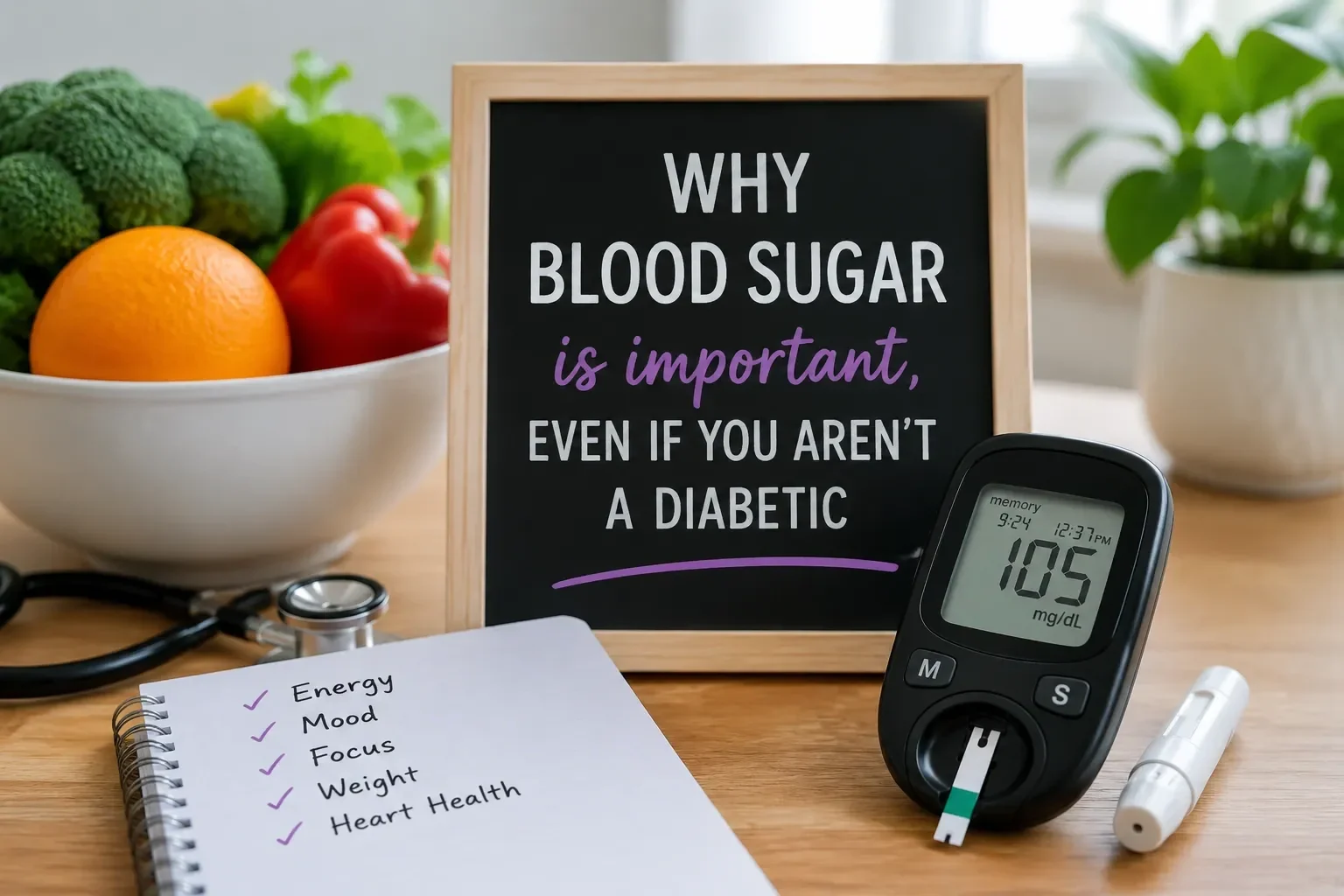
Beyond Diabetes – Understanding Your Metabolism– Part 1: Why Blood Sugar Matters Even If You Are Not Diabetic
When most people hear the words blood sugar, diabetes immediately comes to mind. But blood sugar is so much more than a diabetes issue. Every cell in your body relies on glucose for energy. Every meal you eat influences your blood sugar and, in turn, your insulin levels. Those two factors affect far more than your risk of developing diabetes—they influence your energy, hunger, exercise performance, muscle building, fat storage, recovery, and long-term metabolic health. Understanding how your body responds to food isn't about becoming obsessed with numbers. It's about learning how to fuel your body well.
One of the newest tools we have at True Insight Direct Care is the ability to wear a Continuous Glucose Monitor (CGM) for a short period of time. While these devices were originally developed for people with diabetes, they've become an incredible educational tool for anyone interested in learning how their body responds to food, exercise, stress, sleep, and daily habits.
One of the most fascinating discoveries people make is that the same meal doesn't affect everyone equally. Let’s be real– we’re all very different and unique! Two people can eat the exact same breakfast and experience completely different blood sugar responses. Genetics, muscle mass, sleep, stress, physical activity, meal timing, and even what you ate earlier in the day can all influence the result.
Instead of guessing what works for your body, you can actually see it in real time! Blood sugar, however, is only half of the story. The other half is insulin.
Insulin is one of the most important hormones in the human body. Without it, we couldn't survive. Its primary job is to move glucose from the bloodstream into our cells where it can be used for energy.
But insulin also acts like a metabolic switch. When insulin levels rise, your body activates enzymes that store energy—including storing excess energy as fat—and suppresses many of the enzymes responsible for breaking down stored fat to be used as fuel. That's normal physiology. It's exactly how our bodies were designed.
With understanding the physiology of insulin, you can easily see how obesity → insulin resistance → type 2 diabetes can easily become a vicious cycle if someone isn’t intentional with the amount and types of food that is consumed! (Hellooooooo, prevention!)
The goal isn't to avoid insulin. The goal is to avoid unnecessary spikes and prolonged elevations by giving your body the nutrients it needs in a balanced way.
Healthy blood sugar and healthy insulin levels aren't just about preventing disease decades from now. They're about feeling better today.
Steadier energy.
Fewer cravings.
Better exercise performance.
Improved recovery.
A healthier metabolism.
And perhaps most importantly, understanding how your body works instead of simply guessing. Over the next couple of blogs, I'll dive deeper into how different foods affect blood sugar, what I've learned using Continuous Glucose Monitors with patients (and myself!), and why protein may be one of the most underappreciated nutrients for long-term health.
Until Next Time...
Dr. B